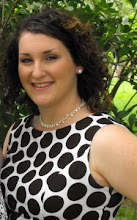
I Am...

My name is Jessica Danielle Miller, and I am a 20 year-old Special Education major. I grew up on a large farm in rural Chatom, Alabama, and I have wanted to teach my whole life. It was only recently, though, that I realized my calling was Elementary Special Education. My little sister, Laura, had a lot to do with that decision. I am a junior at the University of South Alabama, and I have a little more than two years left in school. I am more than excited about my career and what it will mean for me when I do graduate, but no longer does school seem like a horrible waste of time. I feel like I am working towards a greater good in my life and in others.
As a Special Education teacher, lots of opportunities wouldn't be open to me in my classroom, but their are many things I would like to implement in my classroom to help my students with special needs to succeed. The success of every student should be the goal of all teachers, and it is something I will work diligently toward.

Tuesday, July 7, 2009

Peer Helpers

The concept of peer helpers is not a new one, but it is a concept that I plan to implement in my classroom. There are many benefits students with special needs can gain from helping each other on certain assignments.
Students with special needs often also have problems developing social skills. By forcing students to get in groups and work together in a structured environment on certain assignments or projects, they are not only gleaning knowledge from one another. The students are gaining personal skills that can follow them for the rest of their days. When forced to work together, children learn to cooperate, respect their peers, take turns, and to value the opinions of others. They could also make a friend in the process, which is something children with special needs also struggle with long term. It may seem like a waste of time in a regular education classroom sometimes for students to work together, but in a Special Education classroom the benefits of peer helpers is too great to ignore.
The groups can, of course, also help the students in problem areas if groups are organized so that for example a strong student in reading could work with someone who was weaker in reading. Then the weak reader could return the favor when it came to social studies (where he is a better student).

No comments:

Post a Comment